When a person is arrested, the news often spreads quickly.
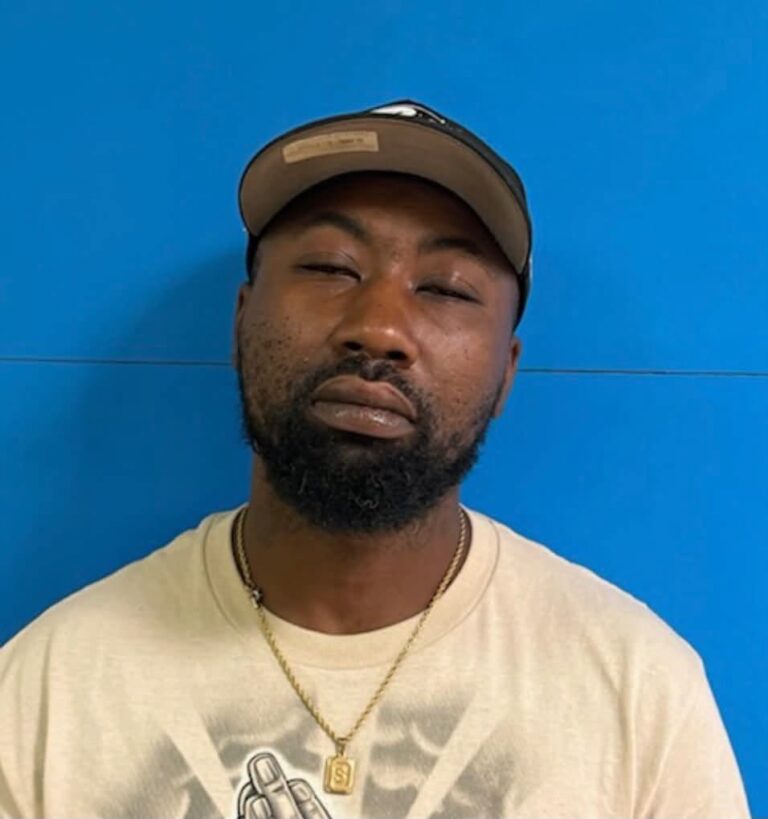
Police departments issue press releases, mugshots appear online, and social media fills with comments from people eager to discuss the allegations. In many communities, the arrest becomes the story.
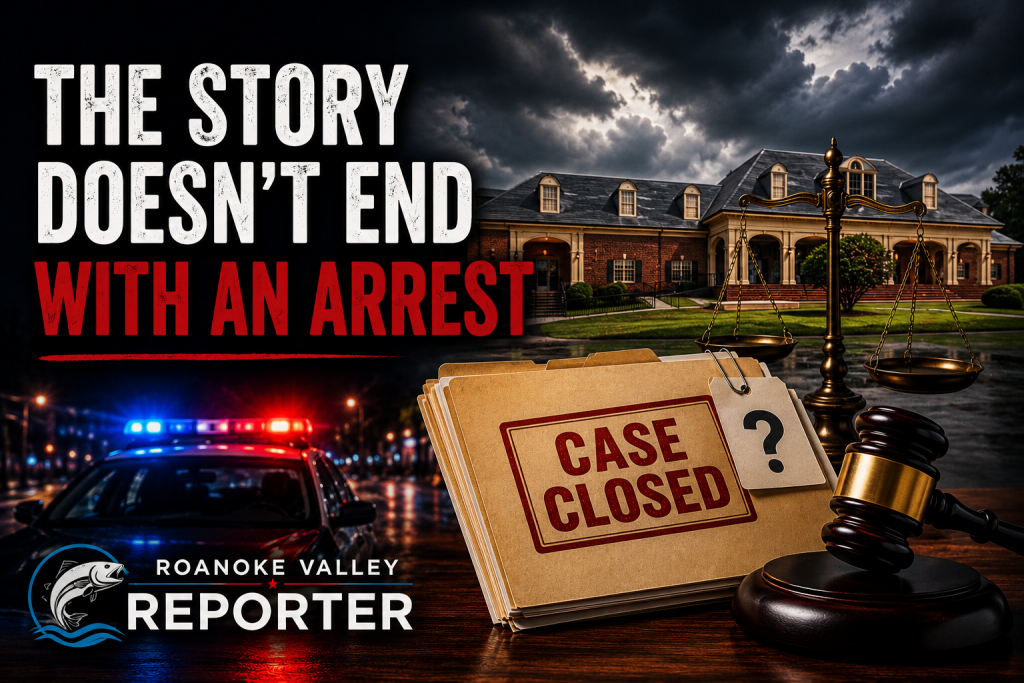
But an arrest is not the end of a case. In reality, it is often just the beginning.
After an arrest comes the court process. Evidence is reviewed. Motions are filed. Prosecutors evaluate the strength of the case. Defense attorneys challenge the evidence. Judges make rulings. Juries hear testimony. Eventually, a case reaches a conclusion.
Sometimes the result is a conviction.
Sometimes charges are reduced.
Sometimes charges are dismissed.
Sometimes a defendant is found not guilty.
Yet many of those outcomes receive little public attention compared to the original arrest.
As a result, residents may remember the allegation but never learn the outcome. The public record becomes incomplete, and important context is lost.
A well-informed community deserves more than arrest reports. It deserves follow-up reporting that answers the most important question: What happened next?
That does not mean every case deserves a front-page headline. It does mean that when significant arrests are reported, efforts should be made to follow the case through the court system and report the final disposition whenever possible.
Justice is a process, not a single event.
An arrest tells readers that an accusation has been made. The conclusion of a case tells readers how the legal system resolved that accusation.
At the Roanoke Valley Reporter, we are building processes that pursue the goal of looking beyond the initial arrest and continuing to follow important cases to their conclusion. Whether the outcome is a conviction, dismissal, acquittal, or plea agreement, readers deserve to know how the story ended.
Because the story does not end with an arrest.